Seasonal Maintenance Advice From a Trusted Kansas City HVAC Company
Kansas City weather has a way of testing heating and cooling systems from both directions. One month can bring sticky heat that pushes air conditioners for days at a time, and the next can remind you how quickly a cold front can settle in. That swing is one reason seasonal HVAC maintenance matters here more than many homeowners realize. Systems in this region do not get much of a break. They cycle hard in summer, work just as hard in winter, and often deal with pollen, dust, humidity, and sudden temperature changes in between.
From a service standpoint, the same pattern shows up year after year. Most emergency calls do not come from mysterious failures. They come from preventable strain. Dirty filters restrict airflow. Outdoor coils get packed with cottonwood or grass clippings. Drain lines clog during the humid season. Furnaces light off after sitting idle for months and reveal problems that had been building quietly since the prior winter. By the time a homeowner notices weak airflow, rising utility bills, or uneven room temperatures, the system has often been compensating for a while.
A reliable maintenance routine does not need to be complicated, but it does need to be timely. If you wait until the first ninety-degree week to think about the air conditioner, or the first overnight freeze to schedule furnace service, you are competing with everyone else in town. A trusted Kansas City HVAC Company will tell you the same thing: preventative service is less expensive, less stressful, and far better for system life than emergency repair.
Why Kansas City systems need a seasonal approach
HVAC advice should match the climate. In Kansas City, that means planning around long cooling seasons, real winter heating demand, and shoulder seasons that can fool homeowners into thinking the system is off the hook. It rarely is.
Summer places obvious stress on an air conditioner, especially when afternoon heat lingers and humidity stays high. On those days, the system is not just cooling air. It is pulling moisture out of it. That adds workload. A unit with marginal refrigerant charge, a dirty evaporator coil, or a weak capacitor may still run, but it will run longer and less efficiently. Homeowners often describe this as “the house never quite catching up.”
Winter has its own demands. Furnaces in this area may sit quiet in early fall, then suddenly need to run night after night. Ignition issues, blower wear, and heat exchanger concerns tend to reveal themselves right when the system is asked to perform consistently. Heat pumps face another challenge. Cold snaps can reduce efficiency enough that the backup heat starts carrying more of the load, which shows up fast on the utility bill if the system is not tuned properly.
The transition months matter just as much. Spring and fall are when small issues are easiest to catch. That is when a professional can inspect electrical components, test performance, clean buildup, and spot wear before extreme weather magnifies it. For homeowners searching for HVAC Kansas City service, the best time to call is usually before you urgently need the equipment.
Spring maintenance sets the tone for the cooling season
A spring tune-up is not just about checking whether the air conditioner turns on. Most systems will turn on. The real question is whether they are operating within the range they were designed for.
An experienced technician usually starts with the basics, but the basics are where many efficiency losses begin. Air filters are checked first because restricted airflow affects almost everything else. Then comes the outdoor unit. Condenser coils collect debris over time, particularly in neighborhoods with mature trees, mulch beds, and active lawn care. When those coils are dirty, the system cannot reject heat effectively. Head pressure rises, run times increase, and wear follows.
Inside, the evaporator coil and drain system deserve close attention. In Kansas City’s humid stretches, condensate production can be substantial. If the drain line starts clogging, you may see water around the indoor unit, musty smells, or a safety switch shutting the system down. Homeowners often think the system has failed when the problem is simply drainage. The catch is that drainage issues can also lead to water damage if ignored.
A proper spring visit should also include electrical testing. Capacitors, contactors, and wiring connections may not look dramatic when they begin to weaken, but they are frequent sources of hot-weather breakdowns. Technicians also verify thermostat operation and compare temperature split, static pressure, and refrigerant performance against what the system should be doing. That is what separates a real maintenance appointment from a quick once-over.
One homeowner in Brookside told us she thought her system was “just old” because the upstairs never felt comfortable by late afternoon. The unit was not new, but age was not the whole story. A maintenance visit found a heavily restricted filter, a dirty outdoor coil, and airflow imbalances from partially closed dampers left behind after other work in the attic. Once corrected, the system cooled more evenly and stopped running almost nonstop. Not every comfort issue requires replacement. Many require attention to fundamentals.
What homeowners can handle between service visits
There are a few tasks that make a measurable difference when done consistently. Homeowners do not need gauges or specialized tools to help their system along, but they do need to be realistic about where DIY should stop.
- Change or inspect the air filter regularly, often every one to three months depending on filter type, pets, dust, and system usage.
- Keep at least two feet of clearance around the outdoor unit so airflow is not blocked by weeds, shrubs, or stored items.
- Make sure supply vents and return grilles inside the home are open and not covered by furniture, rugs, or drapes.
- Watch for warning signs such as ice on refrigerant lines, water around the indoor unit, unusual buzzing, or rooms that suddenly stop getting enough airflow.
- Test the thermostat before peak season arrives, not on the first extremely hot or cold day.
Those simple checks catch more problems than people expect. Still, they do not replace professional service. If you hear short cycling, smell something burning, or see repeated tripping at the breaker, stop there and call for help.
Summer habits that reduce wear and improve comfort
Once the cooling season is underway, the goal shifts from preparation to operating the system sensibly. Good summer habits can lower strain without making the house uncomfortable.
The first is thermostat discipline. Constantly moving the setting up and down sounds harmless, but abrupt changes often encourage the system to run longer than necessary. A steady setting, or a programmed schedule that reflects when the house is occupied, usually works better. In many homes, a few degrees of adjustment during work hours is reasonable, but wide daily swings can hurt comfort more than they help savings.
The second is airflow management. Closing too many vents in unused rooms is a common attempt to save money, but forced-air systems are designed to move a certain volume of air. Restricting that flow can increase static pressure and create performance problems. In older homes around HVAC maintenance Kansas City Kansas City, where ductwork may already be less than ideal, that can make comfort worse rather than better.
Humidity also deserves respect. People often think the air conditioner’s job is temperature alone. In reality, indoor humidity has a major effect on comfort. A house at seventy-four degrees with high humidity can feel clammy and uncomfortable, while one at seventy-six with better moisture control can feel fine. If the home is persistently humid, especially in basements or lower levels, there may be airflow, sizing, insulation, or drainage issues worth investigating. A good HVAC Company Kansas City homeowners trust should be willing to talk about the whole comfort picture, not just the thermostat number.
Then there is the outdoor unit itself. During mowing season, grass clippings are a steady nuisance. During cottonwood season, coils can become matted quickly. We have seen perfectly serviceable units lose efficiency in a matter of weeks simply because the coil surface could not breathe. Gentle rinsing can help if done correctly, but high-pressure washing can bend fins and create another problem. When in doubt, let a technician handle cleaning the right way.
Fall is when heating problems are easiest to prevent
A lot of furnace calls come in during the first cold stretch of the season. That timing is not a coincidence. The system has been idle, filters may have been neglected through the summer, and components that were weak last winter have had months to remain unaddressed.
Fall maintenance gives you a chance to catch those issues while scheduling is still manageable. A professional heating inspection commonly includes burner and ignition checks, flame sensor cleaning if needed, blower evaluation, safety control testing, thermostat verification, and inspection for venting or combustion concerns. On high-efficiency furnaces, condensate drainage and intake and exhaust piping also deserve attention.
This is also the season when many homeowners notice smells and worry immediately. Some odor during the first heating cycle can be normal as dust burns off, particularly if the furnace has been idle for months. A sharp electrical smell, repeated gas odor, or persistent burning smell is not something to dismiss. That is where experience matters. A trusted Kansas City HVAC Company can usually tell the difference between a normal seasonal startup and a legitimate safety issue quickly.
Heat pumps should be checked in fall as well. Because they serve both cooling and heating roles, they rack up more operating hours across the year than some conventional setups. Reversing valves, defrost controls, outdoor coil condition, and auxiliary heat staging all affect winter performance. If a heat pump starts relying too heavily on backup heat, energy use can spike fast.
Winter warning signs that should not wait
When a heating system is under load, it tends to tell you what it needs. The key is listening early enough to avoid a no-heat call on the coldest night of the month.
Uneven heat is one of the first clues. If one part of the house feels fine while another stays cold, the issue could be duct leakage, airflow imbalance, thermostat placement, insulation gaps, or a furnace that is not delivering proper output. Short cycling is another concern. A furnace that turns on and off repeatedly without completing normal run times may be overheating from poor airflow, tripping on a limit, or dealing with a control problem.
Noise matters too. Not every sound indicates danger, but changes in sound deserve attention. Rattling can point to loose panels or failing blower components. Squealing can come from a motor or belt in older systems. Rumbling at ignition may indicate delayed burner ignition, which is not a symptom to ignore. If your carbon monoxide alarms activate, leave the home and contact emergency services and a qualified HVAC professional immediately.
Dry air complaints often increase in winter, and while some dryness is seasonal, excessive static, throat irritation, or cracked wood furnishings can be signs that indoor humidity is too low. In some homes, adding or servicing a humidifier makes a noticeable difference. In others, the real issue is air leakage in the building envelope. Good HVAC advice should account for that distinction.
The age question, repair versus replacement
Seasonal maintenance also gives homeowners something valuable: context. Not every repair means replacement, and not every aging system should be nursed along indefinitely. The right decision depends on performance, reliability, efficiency, repair frequency, and the condition of related components like ductwork and controls.
A system that is ten to fifteen years old might still be a sensible repair candidate if it has been maintained well, uses supported components, and has no pattern of major failures. On the other hand, a unit with repeated refrigerant issues, rising repair costs, poor comfort, and high operating expenses may be telling you it is time to stop patching.
The mistake many people make is treating replacement like a purely equipment-based decision. In practice, installation quality often matters as much as brand. A new system tied to undersized returns, leaky ducts, or poor airflow setup may not perform much better than the old one. That is why the best Kansas City HVAC Company is not simply the one that offers a new box at the lowest number. It is the one that evaluates the home honestly, explains options clearly, and matches the solution to how the house actually behaves.
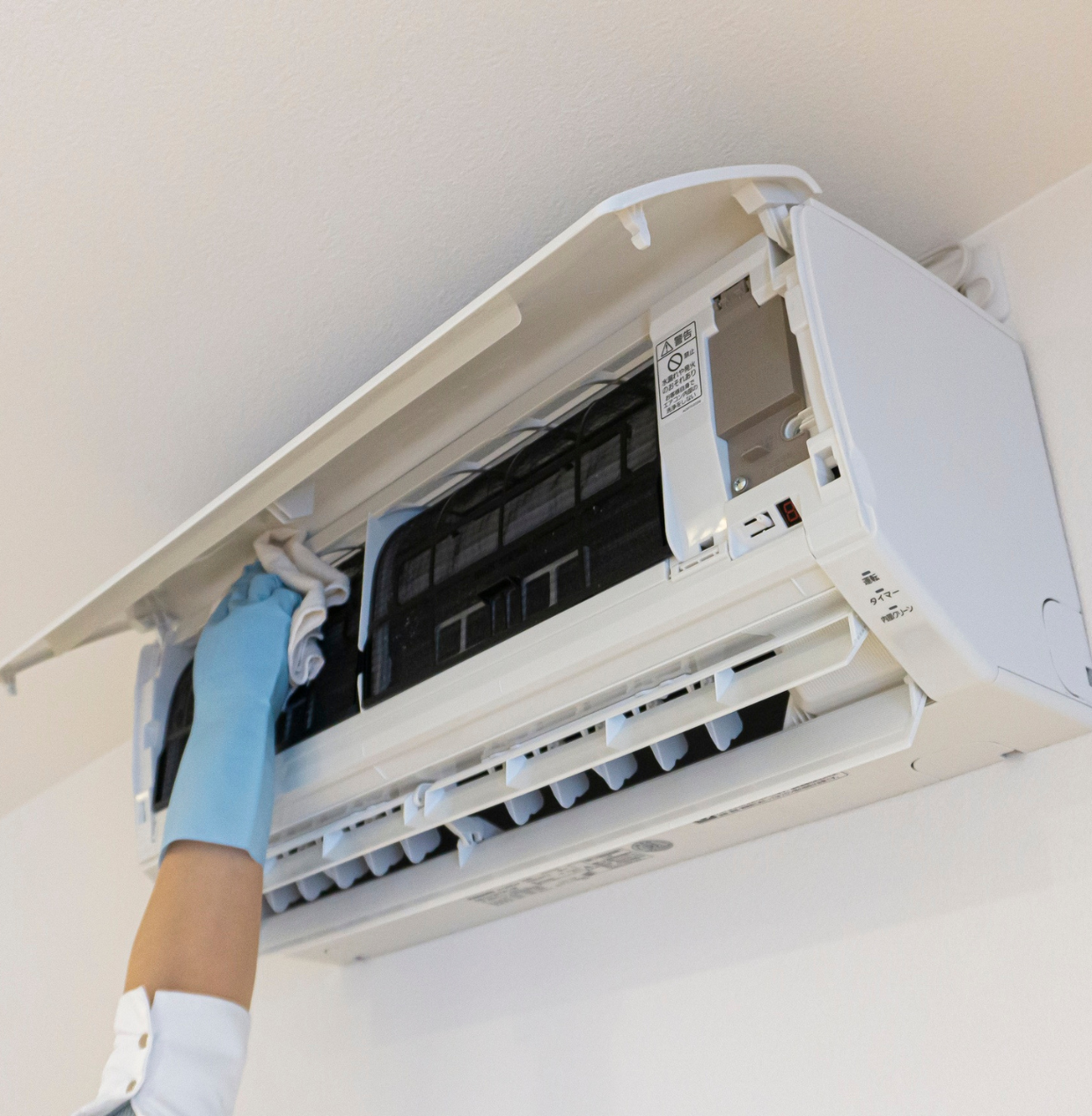
A fair conversation about replacement should include trade-offs. Higher efficiency can lower utility use, but the payback depends on your usage patterns, fuel costs, and how long you plan to stay in the home. Variable-speed systems can improve comfort and humidity control, but they cost more upfront. For some households, that upgrade is absolutely worth it. For others, a well-installed mid-range system is the smarter move.
How maintenance affects utility costs
Homeowners usually notice HVAC costs in two ways: the repair bill when something breaks and the monthly bill when something is running badly. The second one often gets less attention, even though it can quietly add up over a season.
Restricted airflow alone can drive up operating time significantly. Dirty coils reduce heat transfer. Weak electrical components reduce performance before they fail outright. Low refrigerant charge affects capacity and efficiency, and it is not something a system can “just use up” under normal conditions. If charge is low, there is likely a leak or an installation issue that needs diagnosis.
Duct problems are another major factor in older Kansas City homes. Leaks in attics, crawl spaces, or basements mean conditioned air never reaches the rooms it was meant to serve. That can create the frustrating combination of higher bills and worse comfort. Maintenance visits often expose those patterns, especially when technicians take airflow and pressure readings instead of relying on guesswork.
There is also the compounding effect of deferred care. A system that runs dirty and stressed does not simply cost a little more this month. It accumulates wear. Motors run hotter. Compressors cycle under harder conditions. Ignition components strain. Over time, the odds of failure rise right alongside utility consumption.
Choosing the right service partner matters
Not all maintenance is equal. Homeowners often assume every tune-up includes the same level of inspection, but that is far from true. Some visits are little more than filter checks and a quick rinse. Others are detailed evaluations that identify small issues before they become expensive ones.
When selecting a provider for HVAC Kansas City maintenance, it helps to look for a company that values diagnosis, communication, and consistency. You want technicians who explain what they found in plain language. You want recommendations tied to actual conditions, not scare tactics. And you want a company that understands local housing stock, from older neighborhoods with quirky duct runs to newer homes with zoning and higher-efficiency equipment.
Here are a few signs you are dealing with a dependable service team:
- They inspect performance, not just appearance.
- They explain urgent repairs separately from optional improvements.
- They document findings clearly and answer questions without pressure.
- They respect system age and homeowner budget rather than pushing replacement by default.
- They understand how Kansas City weather patterns affect maintenance timing and equipment stress.
That last point matters more than it may seem. Regional experience helps. A technician who regularly works in this market knows what pollen does to coils in spring, what humidity does to drain lines in summer, and what first-freeze furnace calls usually reveal in fall.
A practical schedule most Kansas City homeowners can live with
The most realistic maintenance plan is simple: have the cooling system checked in spring, have the heating system checked in fall, and stay engaged with filter changes and visible warning signs in between. For systems that run year-round, such as heat pumps, those seasonal visits are even more useful.
Homes with pets, ongoing remodeling, heavy dust, or family members with allergies may need more frequent filter attention. Rental properties often benefit from tighter maintenance oversight because filters and thermostat settings are easier to neglect when the person paying the utility bill is not the person living there. Older homes with known duct issues, comfort imbalances, or humidity concerns may also deserve a more detailed system review every few years.
If there is one theme that runs through decades of field experience, it is this: HVAC systems usually fail progressively before they fail dramatically. They get louder, less even, slower to respond, more expensive to run, or harder to keep comfortable. Seasonal maintenance gives you a chance to catch those changes while your options are still good.
For homeowners trying to protect comfort, control costs, and avoid inconvenient breakdowns, that is the real value of working with a trusted Kansas City HVAC Company. Maintenance is not glamorous, but it is one of the few home care habits that consistently pays back in comfort, reliability, and peace of mind.